Language

Choosing adhesive paper labels involves more than printing a design and sticking it onto a surface. The right label must match adhesive chemistry, facestock material, liner type, environmental exposure, and application method, while also accounting for surface energy, temperature, humidity, and required dwell time. This article explains how paper labels differ from synthetic alternatives, how to verify adhesion on your specific substrate, and which measurements matter before ordering or applying. You’ll also see the main reliability checks that help prevent label peeling, adhesive transfer, edge lifting, and print degradation, so the rest of the guide can focus on informed selection and proper use.
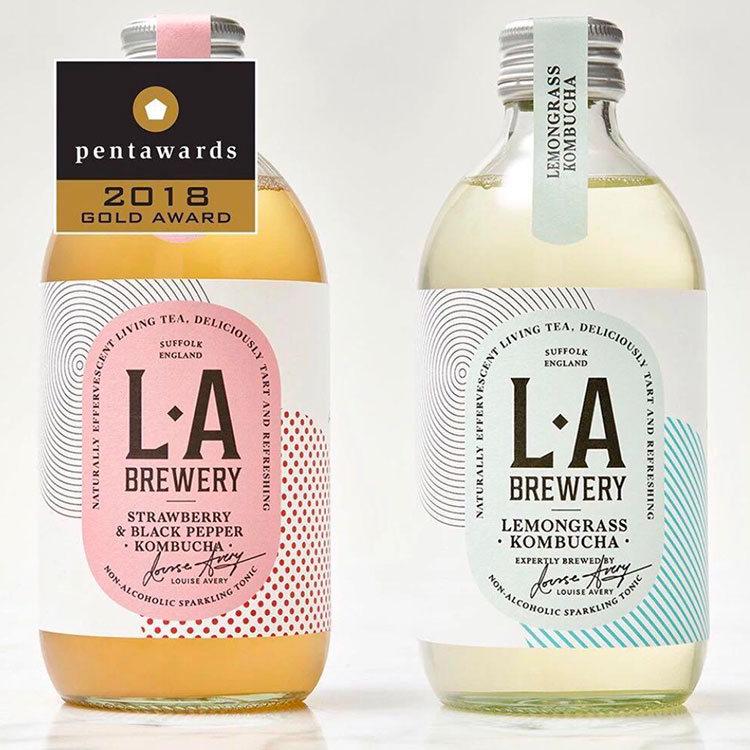
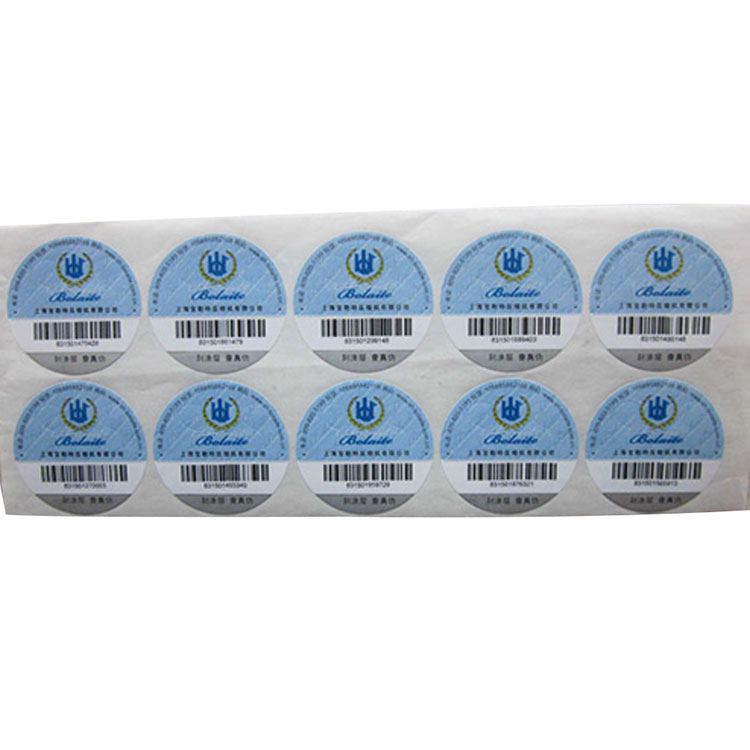
Adhesive paper labels are among the most widely used identification and branding tools across retail, logistics, food packaging, and industrial tracking. Unlike film-based labels, paper labels offer cost-effectiveness, printability, and recyclability, making them the default choice for applications where extreme durability is not required. However, their performance depends entirely on proper matching between the adhesive system and the intended environment.
Effects on application success and bond longevity
The installation of adhesive paper labels directly impacts readability, brand presentation, and traceability. A label that lifts at the edges, wrinkles during application, or falls off after refrigeration fails at its primary function. Factors such as surface energy (high-energy surfaces like glass and metal bond easily; low-energy surfaces like polypropylene and treated cardboard require aggressive adhesives), application temperature (standard acrylic adhesives perform poorly below 10°C/50°F), and substrate texture all determine whether a label stays attached for its intended service life.
Use cases in retail, logistics, and food service
In retail, paper labels are used for pricing, barcode scanning, and brand labeling on boxes, bags, and disposable containers. Logistics operations rely on paper shipping labels for carton identification, often requiring temporary removable adhesion or permanent bonds depending on whether the label must survive transit or be removed cleanly for reuse. Food service applications include ingredient labels, date coding, and nutritional information on dry packaged goods, where moisture resistance is limited but short-term adhesion is sufficient.
The performance of adhesive paper labels rests on three interdependent components: the facestock (paper), the adhesive, and the liner. Understanding each specification is essential for reliable application.
Facestock types, weights, and surface treatments
Paper facestock varies by weight, smoothness, and coating. Standard weights range from 60 gsm to 90 gsm for most applications, with heavier 100–120 gsm stock used for premium product labels requiring a rigid feel. Coated papers (gloss, semi-gloss, or matte) provide smoother surfaces for high-resolution printing, while uncoated papers accept handwriting and thermal transfer printing more readily. For temporary applications, lightweight 50–60 gsm papers are sometimes used, though they tear more easily during removal.
Adhesive systems: permanent, removable, and repositionable
The adhesive is the most critical selection factor. Permanent adhesives are designed to bond aggressively and resist removal, typically achieving peel adhesion values of 8–15 N/25mm on standard substrates. Once applied, removal usually results in paper tear or adhesive residue. Removable adhesives provide initial bond strength of 3–7 N/25mm and can be peeled away cleanly for up to six months, depending on conditions. Repositionable adhesives offer very low initial tack, allowing multiple placement attempts before final pressure is applied.
Beyond adhesion strength, adhesive chemistry matters. Acrylic-based adhesives offer good UV resistance and aging characteristics but have higher minimum application temperatures (typically 10–15°C). Hot-melt rubber adhesives provide aggressive tack at lower temperatures (down to 0°C) but are more prone to edge bleed and adhesive transfer over time.
Liner types and their impact on dispensing
The liner (or backing paper) supports the label during die-cutting and printing. Glassine liners (smooth, translucent, 60–80 gsm) are standard for most automatic dispensing applications due to their controlled release characteristics. Clay-coated kraft liners (opaque, stiffer, 80–120 gsm) are used for larger labels or hand application where liner rigidity helps prevent folding. The release value (the force required to separate label from liner) must be balanced: too low causes premature lifting during die-cutting; too high makes manual peeling difficult.
Proper application protocols and environmental evaluations are essential when integrating adhesive paper labels. Failures rarely result from material defects; rather, they stem from improper surface preparation, incorrect application pressure, or mismatched environmental conditions.
Pre-application checks
Prior to label application, the substrate surface must be clean, dry, and free of contaminants. Dust, oil, mold release agents, and moisture are the most common causes of adhesion failure. For critical applications, cleaning with isopropyl alcohol (70% or higher) followed by a lint-free wipe is recommended. Surface temperature must also be checked; most paper labels require minimum application temperatures of 10–15°C (50–59°F). Applying labels below this range dramatically reduces initial tack and may prevent permanent bond formation even after the surface warms up.
Common failure modes: edge lifting, adhesive bleed, and tearing
Several failure modes occur frequently with adhesive paper labels. Edge lifting typically results from low surface energy substrates, insufficient application pressure, or exposure to humidity cycling. Adhesive bleed (oozing out from label edges) is common with hot-melt adhesives in warm environments or when liner die-cutting is overly aggressive. Paper tearing during removal indicates that the adhesive bond strength exceeds the internal strength of the paper facestock—a normal characteristic of permanent adhesives but undesirable for removable applications.
| Failure Mode | Primary Cause | Solution |
|---|---|---|
| Edge lifting | Low surface energy or cold application | Switch to high-tack adhesive; warm substrate |
| Adhesive bleed | Hot-melt adhesive + high temperature | Use acrylic adhesive; reduce storage temp |
| Paper tear on removal | Permanent adhesive + lightweight facestock | Use removable adhesive; increase paper weight |
| Print smudging | Incompatible ink + coating | Test ink adhesion; use treated facestock |
Environmental factors: temperature, humidity, and chemical exposure
Paper labels are inherently sensitive to moisture. High humidity (above 70% RH) can cause paper fibers to swell, leading to edge curling or wrinkling. Direct water exposure typically causes facestock degradation within minutes. For refrigerated applications (2–8°C), standard acrylic adhesives become brittle; specialized low-temperature adhesives are required. For frozen applications (-18°C or lower), most paper labels fail entirely, making synthetic facestocks necessary.
Sourcing adhesive paper labels requires evaluating manufacturing capabilities, quality control processes, and the balance between unit price and application reliability. Given the high-volume nature of label consumption, procurement managers must prioritize consistent adhesive performance and print compatibility.
How to assess supplier capability
Assessing label converter capability begins with verifying ISO 9001:2015 certification and requesting adhesive manufacturers' technical data sheets (TDS). Capable suppliers should operate rotary or flatbed die-cutting equipment and provide quality control reports including liner release values and adhesive coat weight uniformity (typically 18–25 gsm for general-purpose labels). For custom sizes, suppliers must demonstrate die-making precision within ±0.5mm.
MOQ, lead time, and customization options
Minimum Order Quantities (MOQs) for custom die-cut paper labels vary significantly by complexity. Standard rectangular labels on master rolls: 10,000–25,000 pieces. Custom shapes or multiple colors: 50,000+ pieces. Lead times for converted labels typically range from 10 to 20 business days for standard constructions, with rush options available at premium pricing. Customization options include kiss-cutting (labels remain on liner for manual peeling), butt-cutting (full liner cuts for automatic dispensing), perforations, and sequential numbering.
Price versus quality comparison
| Market Tier | Price per 1,000 labels (approx.) | Adhesive & Facestock | Key Characteristics |
|---|---|---|---|
| Economy | 5–5–15 | Unknown acrylic or hot-melt; 60–70 gsm uncoated | Variable adhesion; poor die-cutting; liner curl issues |
| Standard | 15–15–35 | Branded permanent acrylic; 70–80 gsm semi-gloss | Consistent coat weight; reliable die-cutting; good printability |
| Premium | 35–35–70+ | Specialty removable or repositionable; 90–120 gsm coated | Certified adhesives; precision tolerances; application support |
Implementing a rigorous selection framework ensures that the chosen paper labels meet application requirements without unexpected field failures. A systematic approach prevents costly rework, misreads, and customer complaints.
Step-by-step product selection process
First, identify the substrate material and clean a test surface. Low-energy plastics (polyethylene, polypropylene) require aggressive adhesives; cardboard and paper accept standard permanent adhesives. Second, determine environmental exposure: room temperature storage only, refrigerated, or variable humidity? Third, measure required bond duration: days (temporary), months (standard), or years (permanent)? Fourth, test with sample labels before full production—apply to actual surfaces, subject to real conditions, and evaluate after 24 hours and again after one week. Finally, confirm print compatibility: thermal transfer, direct thermal, laser, or inkjet?
Balancing performance, compliance, and budget
For most general-purpose applications (shipping labels, retail price tags, product branding on dry goods), standard permanent acrylic on 70–80 gsm semi-gloss paper delivers reliable performance at a reasonable cost. For removable applications (inventory labels, temporary signage), prioritize removable adhesives with documented clean removal after intended service life. For refrigerated or moisture-prone environments, consider either low-temperature acrylic adhesives (for 2–8°C) or transitioning to synthetic facestocks. Cutting corners on adhesive quality almost always leads to higher total cost from reprints, application labor, and customer dissatisfaction.
Match adhesive type to substrate surface energy and application temperature—test before committing to large runs
Verify environmental exposure: standard paper labels fail in high humidity, direct moisture, or freezing conditions
Check liner type against your dispensing method: glassine for automatic applicators, kraft for hand application
Always clean application surfaces and allow labels to dwell for 24 hours before subjecting to stress
Budget-grade labels carry hidden costs: reprints, application rework, and field failures
What is the difference between permanent, removable, and repositionable adhesive paper labels?
Permanent labels bond aggressively and tear upon removal. Removable labels peel away cleanly for weeks or months depending on conditions. Repositionable labels allow multiple placement attempts before final pressure is applied.
How do I choose the correct adhesive paper label for my application?
Identify your substrate material, environmental exposure (temperature, humidity), required bond duration, and application method. Then test sample labels on actual surfaces under real conditions.
When should I use paper labels instead of synthetic labels?
Use paper labels for indoor, dry applications where cost is important and the label does not need to survive moisture, freezing, or extended outdoor exposure. Use synthetic (polyester, polypropylene) for wet, frozen, or harsh environments.
Do paper labels work in refrigerators or freezers?
Standard paper labels with acrylic adhesives perform marginally at refrigeration temperatures (2–8°C) but fail in freezers. For refrigerated use, specify low-temperature acrylic adhesives. For frozen, switch to synthetic facestocks.