Language
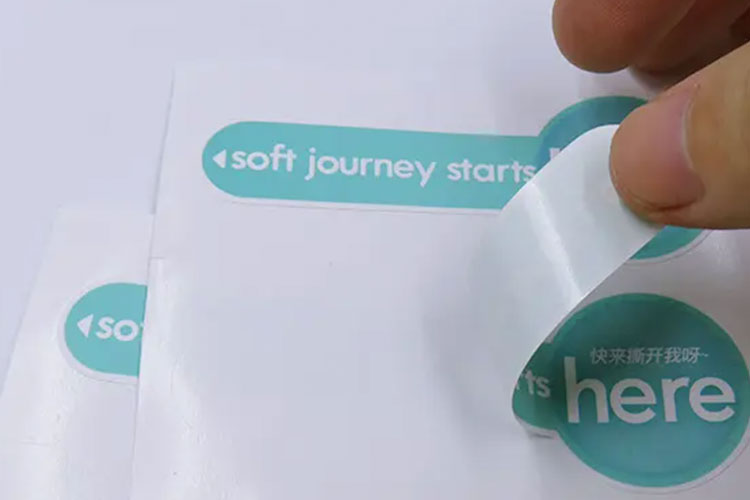
Modern supply chains demand efficiency, and Self Adhesive Printed Labels provide exactly that: peel, stick, and move on. There is no water activation, no heat tunnel, and no messy cleanups. Businesses reducing downtime prefer these labels because application speed can increase by 300% compared to wet glue systems.
Additionally, they adapt to curved surfaces, low-energy plastics, and even frozen packages. Brands from cosmetics to industrial chemicals rely on consistent adhesion without wrinkles. The global market for pressure-sensitive labels is projected to grow at 5.8% CAGR through 2030, driven by e-commerce and sustainable packaging trends.
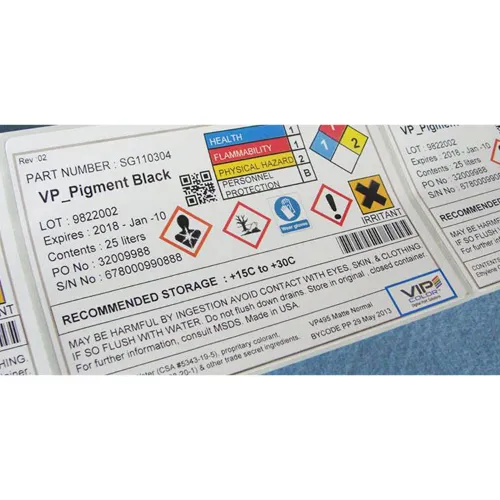
Selecting the right facestock and adhesive determines how your labels perform. Paper labels offer cost-effectiveness for dry indoor products, while synthetic materials (polypropylene, vinyl, PET) withstand moisture, oil, and UV exposure. Self Adhesive Printed Labels can be engineered with removable, permanent, or repositionable adhesives depending on the end use.
| Material Type | Best For | Adhesive Grade |
|---|---|---|
| Premium Paper | Dry food boxes, wine labels, stationery | Permanent acrylic |
| White BOPP | Beverages, personal care, freezer items | Permanent / low-temp |
| Clear PET | "No-label" look, glass bottles, luxury goods | High-tack permanent |
| Vinyl | Outdoor equipment, chemical drums, floor decals | Weather-resistant permanent |
For eco-conscious brands, some suppliers offer semi-recycled paper liners and lignin-based adhesives. Always request technical data sheets (TDS) for temperature range: standard acrylic works from -20°C to +80°C, while rubber-based adhesives provide aggressive initial tack for rough surfaces.
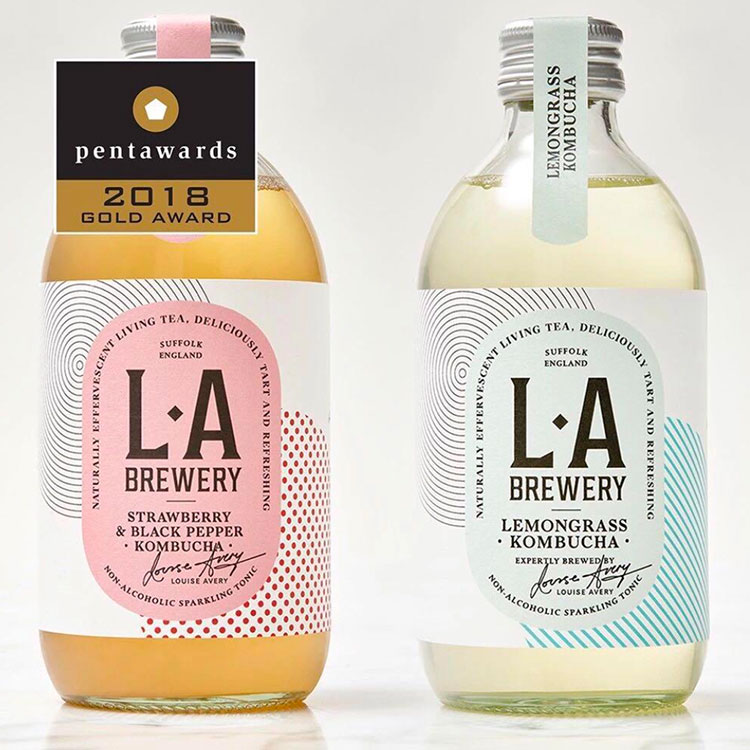
Your label is a silent salesperson. To make Self Adhesive Printed Labels stand out, combine high-resolution digital printing with strategic finishing. White ink under clear film creates opaque areas for vibrant color contrast. Matte lamination reduces glare, while spot gloss varnish draws attention to logos and expiration dates.
Color consistency matters: request CMYK + spot color proofs. For products sold in multiple regions, leave blank space for “Best Before” inkjet coding. Many converters now offer short-run digital prototyping within 48 hours – ideal for A/B testing.
Thanks to their versatility, Self Adhesive Printed Labels penetrate virtually every vertical. Below is a snapshot of core sectors and unique requirements:
| Industry | Typical Substrate | Critical Feature |
|---|---|---|
| Food & Beverage | Glass, plastic jars, flexible pouches | Oil/grease resistance, freezer-grade adhesive |
| Pharmaceuticals | HDPE bottles, blister packs | Tamper-evident, child-resistant release |
| Logistics & Warehousing | Corrugated boxes, poly mailers | Thermal transfer printable, scuff resistance |
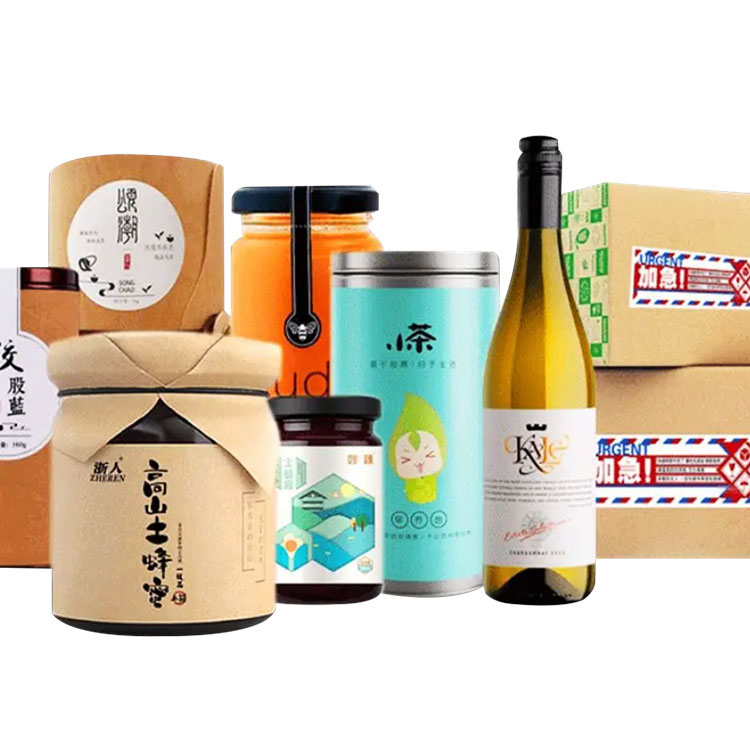
| Cosmetics & CBD | Glass dropper bottles, aluminum tins | Clear film for luxurious "no-label" look |
Additionally, automotive manufacturers use fuel-resistant labels for engine compartments, while retailers apply removable price tags on collectible boxes. Always test adhesion on your actual packaging material – a simple peel test at room temperature and after 24 hours reveals any incompatibility.
When you need high volumes of Self Adhesive Printed Labels, working directly with a China-based manufacturer such as Shanghai Dinglizhu Import & Export Co., Ltd. unlocks significant cost advantages. Factory-direct pricing eliminates intermediary markups, especially for orders above 50,000 units. However, local printers excel at ultra-short runs (500–2000 labels) with 3-day turnaround.
Below is a quick comparison to guide your decision:
For hybrid strategy: prototype locally, then shift volume to an ISO-certified Asian supplier. Request certificates like RoHS, REACH, and FDA compliance if exporting to Europe or North America.
Need a reliable partner for Self Adhesive Printed Labels that combine durability and premium finishing?
Dinglizhu delivers factory-direct quality, full customization, and rigorous third-party testing.
📦 Get Your Custom Quote & Contact Us✓ Free artwork check ✓ Fast samples ✓ Global shipping
-